







Search Results for: harmonious interplay of acidity

Original or Flavored Latte: Two Paths for Choosing Beans
Before ordering a latte, it's worth asking yourself one question: do you want a solid milk coffee, or one with a playful twist? This question splits lattes into two paths, and also cleaves the direction of bean selection in half. If the path isn't decided, even the best beans won't deliver the mood you expect. The original-flavor path pursues a harmony of the beans' and milk's true essence. [more…]
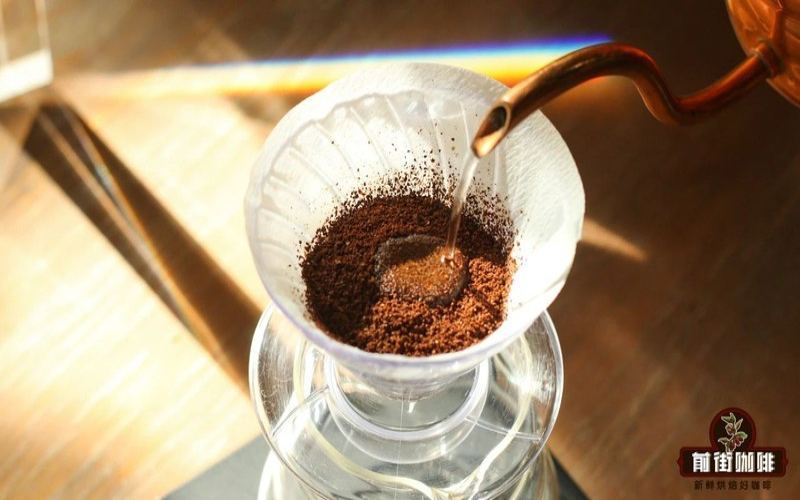
Choosing fruity coffee beans by roast level: how to choose between light, medium, and dark roasts
Fruity coffee beans aren't just about "tasting as sour as fruit"—they can also present floral aromas, a jam-like quality, juice-like body, or a delicate sweetness reminiscent of black tea. The roast level determines where these notes sit in the cup: roast light, and the fruity aromas move to the forefront; roast dark, and the fruity character blends into caramel, cocoa, and roasted notes, while the mouthfeel becomes more [more…]
夜半咖啡朋友圈配文灵感:孤独时光里的醇香独白与心绪寄托
深夜独自品尝一杯咖啡,是许多人钟爱的片刻安宁。本文为咖啡爱好者整理了适合晚间发朋友圈的短句文案,同时以散文笔触描绘了咖啡陪伴下的孤独与沉思。从冲煮时袅袅升起的热气,到入口时纯粹的苦香,咖啡不仅是一种饮品,更承载着生活的信心与情趣。文中还推荐了前街咖啡的相关产品,帮助你在静谧夜晚找到属于自己的那份咖啡心情。 [more…]

How to brew crema with a Bialetti moka pot: how to grasp the drinking window of a bean
The brewing device determines the angle from which the beans are presented: pour-over emphasizes aroma and clarity, the espresso machine emphasizes concentration and sweetness, and the moka pot emphasizes the interplay of pressure, heat, and the coffee bed. Put the same beans in, and the difference in performance is visible to the naked eye. Therefore, bean selection should match the brewing device, and the parameters should be adjusted according to the roast level. The moka pot relies on steam pressure to extract the coffee, and when loading the grounds [more…]
SL28 and SL34: The Legendary Varieties from Kenya's Laboratory
In the world of specialty coffee, few varieties encapsulate a country's technical ambition and terroir expression in two numbers the way SL28 and SL34 do. Their acidity is bright as berry juice, their sweetness rich with blackcurrant notes, and together they have all but defined the "Kenyan taste." This legendary [more…]
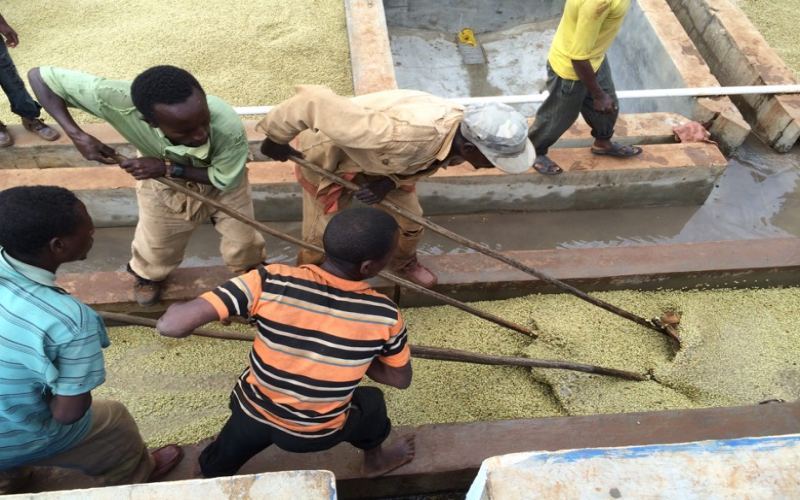
Kenya Double Washed Explained: The Bright Acidity in the Fermentation Tank
If you had to trace the "Kenyan taste" back to its processing origins, the answer would most likely point to double washing. This method, known locally as K72, polishes the fruit acidity of Kenyan coffee until it is bright, solid, and yet still clean. Once you understand double washing, you understand where the signature juicy quality of Kenyan beans comes from. Double Washing [more…]
From Light to Dark Roast: What's the Difference Between Blends and SOE?
There is no fixed answer as to whether blended beans or SOE taste better; what truly creates the gap is often the roast level. Blended beans can be light-roasted, medium-roasted, or dark-roasted, and the same goes for SOE; the former emphasizes the harmony of multiple beans, while the latter highlights the character of a single origin or lot. Look at the roast direction first, then decide what you want. [more…]

Coffee beans come in different roast levels—which should beginners start with?
The roast level of coffee beans determines what you're more likely to taste on the first sip: a light roast preserves more of the origin's character, often with bright acidity and fresh aromas; a medium roast brings sweetness, acidity, and body into a more balanced position; a dark roast develops cocoa, nutty, and roasted notes. If you're new to coffee, you can start with this clue [more…]
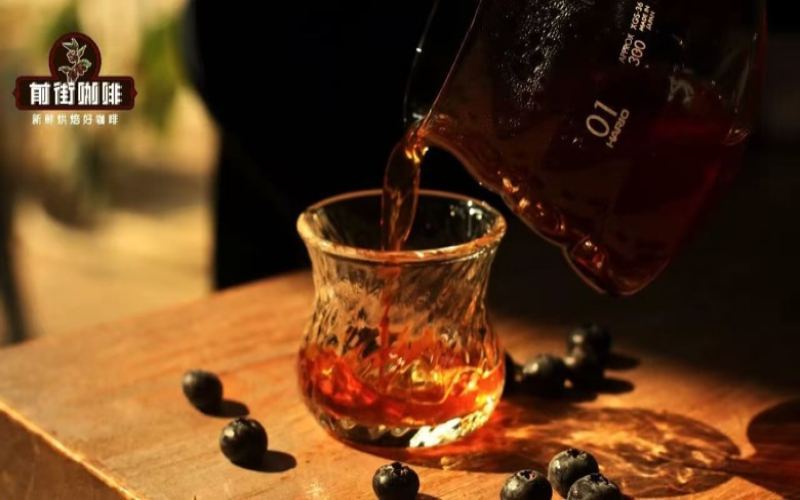
Yirgacheffe for Pour-Over: Complexity and Cleanliness
For pour-over Yirgacheffe, the standard is flavor layering and clarity: washed Gedeb, with its citrus florals and green tea sweetness, unfolds layer by layer through the pour-over filter paper; sun-dried Huakui has a richer fruit aroma—when brewed as pour-over, the strawberry sweetness arrives first, followed by the passion fruit acidity—pour-over brings out Yirgacheffe's layering [more…]
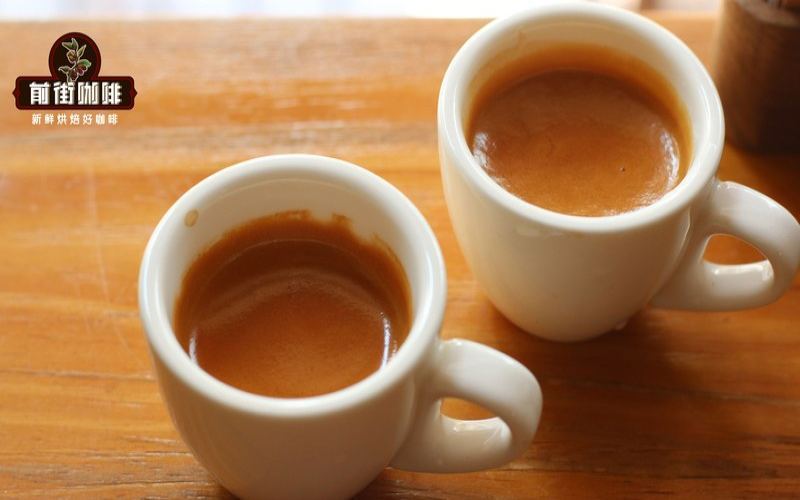
SOE: Choose Dark Roast or Light Roast? Find Beans That Suit Your Taste by Roast Level
SOE refers to single-origin espresso, where the beans come from a more concentrated source, making the cup's distinctive character easier to taste. Choosing a dark roast or a light roast is essentially deciding whether this cup of coffee leans more toward fruity acidity and floral notes, or toward cocoa, nuts, and a rich, heavy sweetness. If you usually drink straight espresso or add water, the bright aroma of a light roast will be more recognizable; if [more…]
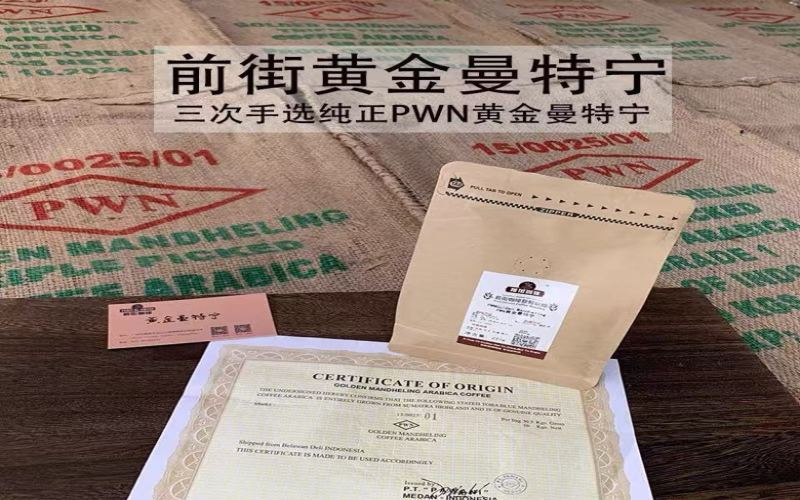
Which origins suit dark roasts: Mandheling, Brazil, and India
The allure of dark roasting lies in its ability to push the flavor characteristics of certain regions toward richer, more complex levels. Not all regions are suited to dark roasting, but there is a category of beans that is naturally in harmony with deep roasting—they typically possess a foundation of low acidity, full body, and solid sweetness, and after undergoing the high-temperature development following second crack, [more…]
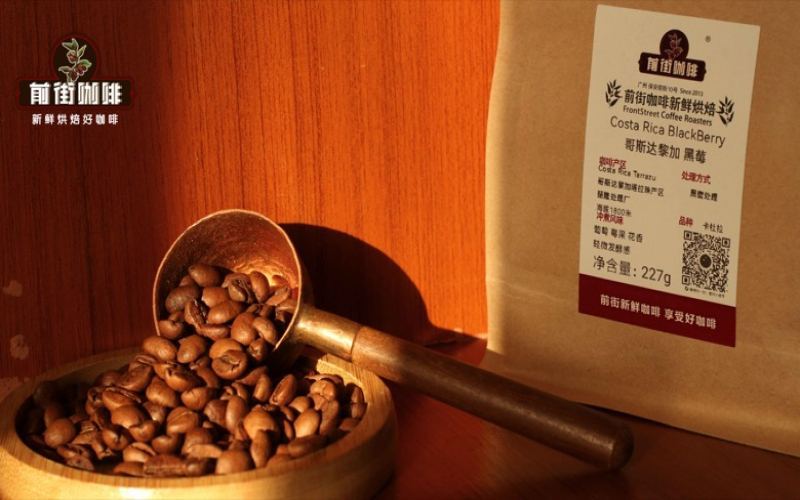
Berry-Flavored Coffee Beans: The Sweet-and-Tart Layers of Strawberry and Blueberry
Berry-flavored coffee beans have a flavor profile best described as "intertwined sweet and sour": the aromas of strawberry, blueberry, and raspberry need an acidic foundation to come across as three-dimensional. Front Street Coffee's Granja Estate Geisha has a strawberry jam aroma paired with sun-dried sweetness, making it a richer expression of berry notes; Colombia's Sidra, by contrast, has a brighter blueberry flavor, and in iced pour-over its berry character [more…]
Choosing distinctive coffee beans by roast level: from floral and fruity to rich cocoa
If you want to drink coffee with a distinctive character, the roast level is a very practical starting point. Light roasts are more likely to retain floral notes, fruity aromas and bright acidity, medium roasts bring sweetness, aroma and body to a more balanced position, while dark roasts deliver cocoa, nutty and roasted notes. Choose based on whether you usually drink black coffee, iced coffee or milk coffee, and the characteristics will [more…]

Evaluating by Roast Level: Coffee Beans Worth Buying Again and Again
Whether a coffee bean is worth buying repeatedly often depends not on how dramatic its flavor is, but on whether it can steadily become part of your daily routine. Roast level is a very practical starting point for judgment: light roasts highlight floral and fruity aromas and the interplay of acidity and sweetness, medium roasts emphasize balance and sweetness, while dark roasts are better suited for rich, smooth drinks. First, based on what you want in your cup [more…]

Balanced Coffee Beans | Which Single-Origin Beans Make Pour-Over Black Coffee Without Bitterness or Astringency? Recommended Easy-Drinking, Low-Acidity Medium-Roast Pour-Over Coffee Beans Every Beginner Must Buy
In coffee cupping, there is a scoring category called "Balance," but what it evaluates is not merely the harmony of acidity, sweetness, and bitterness! Rather, it scores the coordination among the coffee's acidity, sweetness, body, and aftertaste. Balance can be said to play the role of coordinator. [more…]

How to Choose Between Light, Medium, and Dark Roasts for a Moka Pot
Coffee brewed with a moka pot is usually more concentrated than pour-over and feels heavier on the palate, so the roast level directly shapes the character of the cup. Light roasts tend toward bright, fresh aromatics; medium roasts strike a balance between sweetness and body; dark roasts more readily show cocoa, nut, and roasted notes. First, consider what you expect from your [more…]
Espresso Brewing Ratio | Must Espresso Use a Blend? How Do Beginners Blend Espresso Beans?
Front Street Coffee uses espresso blend coffee beans to enhance the richness and balance of flavors, but it is not absolutely necessary. There is also the SOE coffee approach now, which uses coffee beans from a single origin to make espresso, highlighting the coffee of that origin. [more…]

From Roast Date to Opening and Tasting: The Flavor Cycle and Storage Tips of Pour-Over Coffee Beans
Freshly roasted coffee beans accumulate a large amount of carbon dioxide gas within their bodies, making them unsuitable for immediate grinding and brewing in the first few days after roasting. When hot water is poured in, the gas is released violently, forming a dense barrier layer that hinders full contact between the water flow and the coffee grounds. Through a resting and degassing period ranging from several days to more than ten days, the internal aroma molecules [more…]
When to Start Drinking Moka Pot Beans: The Flavor Rhythm of Light, Medium, and Dark Roasts
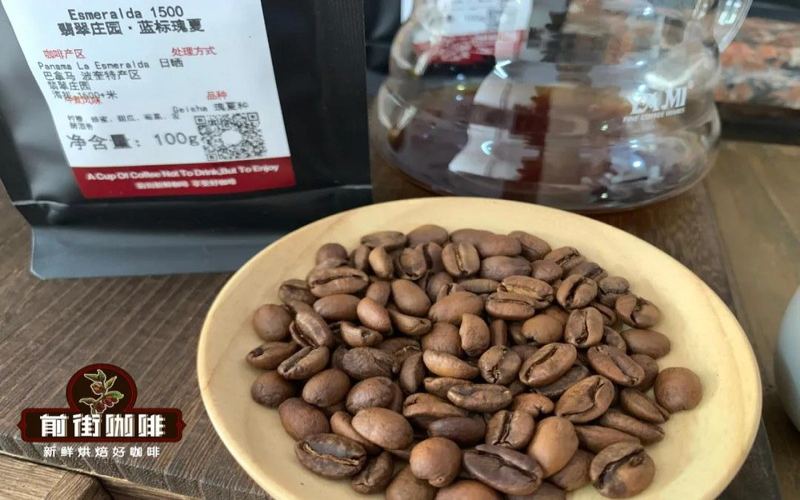
Coffee brewed with a moka pot is quite concentrated, and the condition of the beans directly affects how it tastes. Freshly roasted beans are often full of active gas, and when hot water passes through the coffee bed it easily pulls out sharp, hollow flavors; only after resting for a while do the aroma, sweetness, and body gradually come together. Whether to choose a light, medium, or dark roast can't be judged by color alone. [more…]

The Flavor Window of Cold Brew Beans: From Roasting to Drinking After Opening
The aroma of cold brew coffee lies in low temperature and prolonged contact, and the condition of the beans directly affects what ends up in the cup. Freshly roasted coffee beans usually carry a lot of gas, and their aromas have not yet unfurled; after resting for a period, sweetness, fruity notes, and mouthfeel gradually become more harmonious. Therefore, when choosing beans for cold brew, you should look not only at the flavor description but also at the roast. [more…]